
A Personal Note from Diana
Let's Find Your Southwest Florida Rhythm
October is my favorite month to watch this part of Florida. The air finally loses its summer grip, the canals start filling with boats again, and the license plates up and down the street start reading like a map of the northern states. The snowbirds are coming back, and with them the season that makes Southwest Florida feel alive.
I'm Diana Austin, a bilingual Realtor with Fig Team EXP Realty LLC, serving Cape Coral, Fort Myers, Estero, Bonita Springs, and Naples. Every fall I sit down with seasonal residents who are deciding the same thing: should I rent a place for the winter, or should I finally buy? This guide walks you through the honest answers, the numbers, and the fine print, so you can start your season with confidence instead of second-guessing.
"Snowbird season is when Southwest Florida shines, and my goal is to make sure you have a place that feels like yours for all of it, not just a rental you tolerate until spring."
What's Inside This Guide
When Snowbird Season Actually Runs (and Why It Matters)
The classic snowbird season in Florida runs roughly from October through April, with the busiest stretch from November through March. Most winter residents arrive in October or November, some as early as late September, and they head back north in April and early May as the spring weather finally cooperates up there.
Oct–Apr
Season Span
Arrivals begin in October
Nov–Mar
Peak Months
The busiest stretch of the year
~1M
Seasonal Residents in Florida
Estimate for an average January day
~22%
Population Bump in SWFL
Peak winter, per regional planners
Those numbers come from the people who actually count these things. Researchers at the University of Florida estimate that around a million seasonal residents are present on an average January day statewide, compared with a fraction of that in August. Closer to home, the Southwest Florida Regional Planning Council reports that peak winter-season residents can add up to about 22 percent to our region's population from mid-November to mid-April, most of them second-home owners and long-term renters.
For real estate, the timing matters in three ways. First, good seasonal rentals get booked fast, often months ahead, and premium winter pricing kicks in by November. Second, sellers who list before the wave in September and October reach buyers who want to be settled by the holidays. And third, the shoulder months of October and April are the sweet spot for buyers who want serious negotiating room without waiting until summer.
Here's the honest takeaway: the season is longer than most people think. October through April is six months of Southwest Florida's best weather, and the decisions you make about where to stay should be built around that rhythm, not around a two-week winter vacation.
Why Southwest Florida, Not Just Florida
Florida has plenty of winter options, but the southwest corner of the state earns its reputation. The Gulf keeps winter temperatures mild, beaches face west so sunsets land right on the water, and boating, golf, fishing, and shelling are part of daily life rather than occasional trips.
Naples: luxury, golf and the beach lifestyle
Naples has long been one of the country's favorite winter destinations, with championship golf, high-end shopping, and some of the best beaches anywhere. Around 100,000 seasonal visitors swell Collier County during the December through April peak.
Fort Myers: city energy and the River District
Fort Myers brings restaurants, arts, and the historic River District to the table, with easy access to beaches and the airport. It is a favorite home base for snowbirds who want more going on outside the front door.
Cape Coral: the boating capital
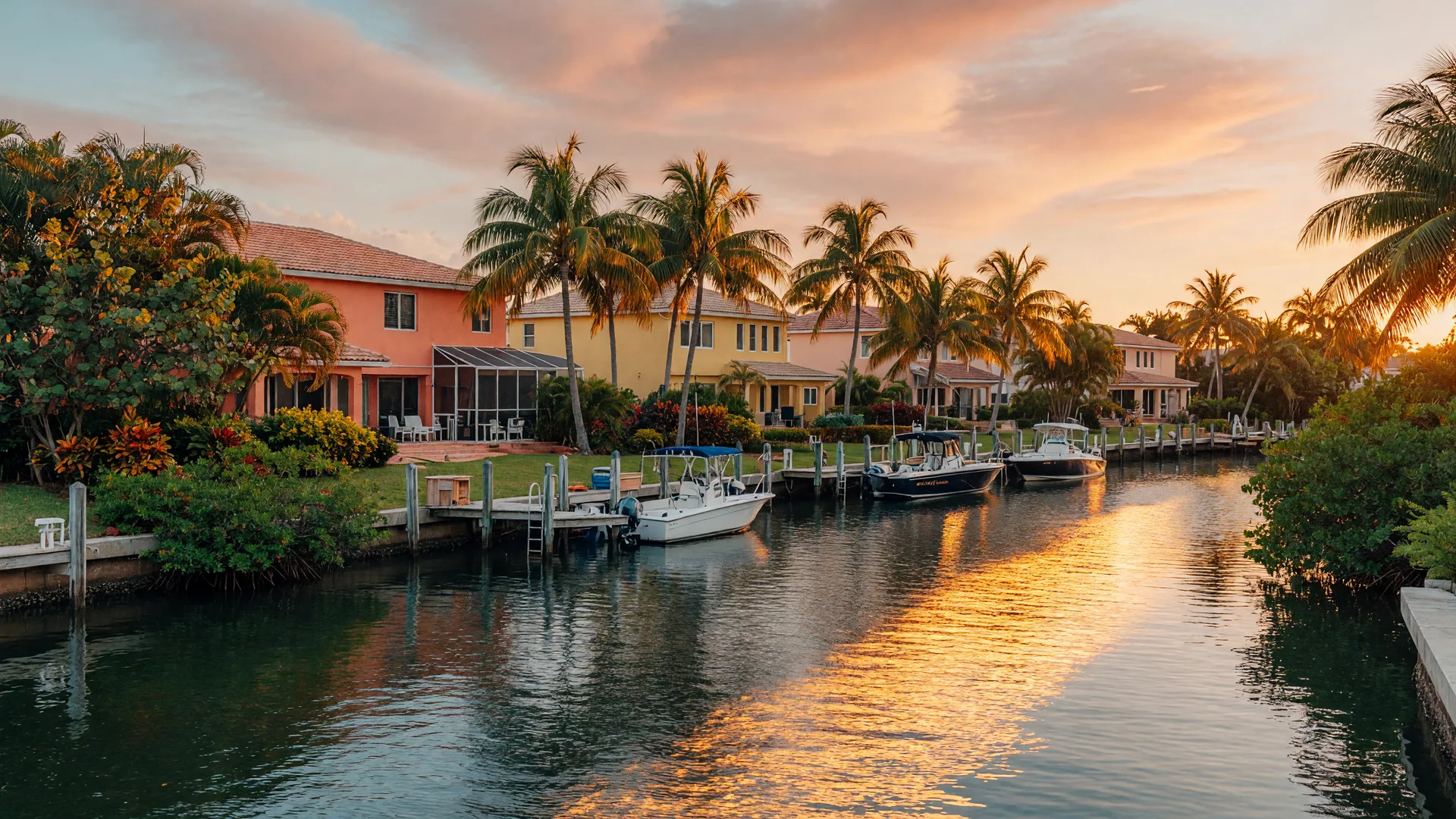
With more than 400 miles of canals, Cape Coral is made for people who want a boat in the back yard and more home for their money. Snowbirds here live dock-side, with Gulf access on many waterways.
Estero and Bonita Springs: calm and new
Farther south, Estero and Bonita Springs offer quieter communities, new construction, and the Coconut Point shopping and dining district. Perfect for snowbirds who want peace, golf, and proximity to Naples without the pace.
A snowbird note worth keeping: winter on the Gulf side is genuinely warm. Daytime highs in the 70s are the norm from December through February, and by late November the Gulf water is still comfortable enough for many swimmers. You are not just escaping snow; you are choosing a different kind of winter.
Rent vs. Buy: The Honest Math
This is the question I hear the most, and the answer is genuinely personal. Let me give you the framework I use with my clients, then you can run your own situation through it.
Buying works best when
- You plan to spend three months or more here, most years.
- You want your own dock, your own golf cart, your own settled-in space.
- You value locked-in costs and equity over flexibility.
- You are ready to cover insurance, HOA fees, and maintenance year-round.
Renting works best when
- You are not sure yet whether this is your long-term rhythm.
- You come for a few weeks or less than three months a year.
- You want someone else to handle maintenance when you are back north.
- You want to test different neighborhoods before you commit.
A few realities on the rental side. Peak-season winter rentals in Southwest Florida carry premium pricing, and the good ones are often booked by the previous summer. Furnished seasonal rentals add even more to the monthly figure, and leases commonly run three to twelve months, which means you are often paying for months you are not using.
On the buying side, the numbers can be kinder than people expect. A winter rental budget can often carry a meaningful mortgage payment, and every payment builds equity in a place you own. Your costs stay predictable, the dock is always free, and someday that second home is simply yours. The trade-offs are real too: insurance, HOA dues, and maintenance bills run year-round, and the home sits quiet through the summer unless you rent it out.
The rule of thumb I share most often: if you stay less than three months a year, rent. If you stay three months or more, buying usually wins. And here's a very common path: rent the first season, fall in love with a neighborhood, then buy before your second season so you are already home when the weather turns.
What Seasonal Buyers Should Look For
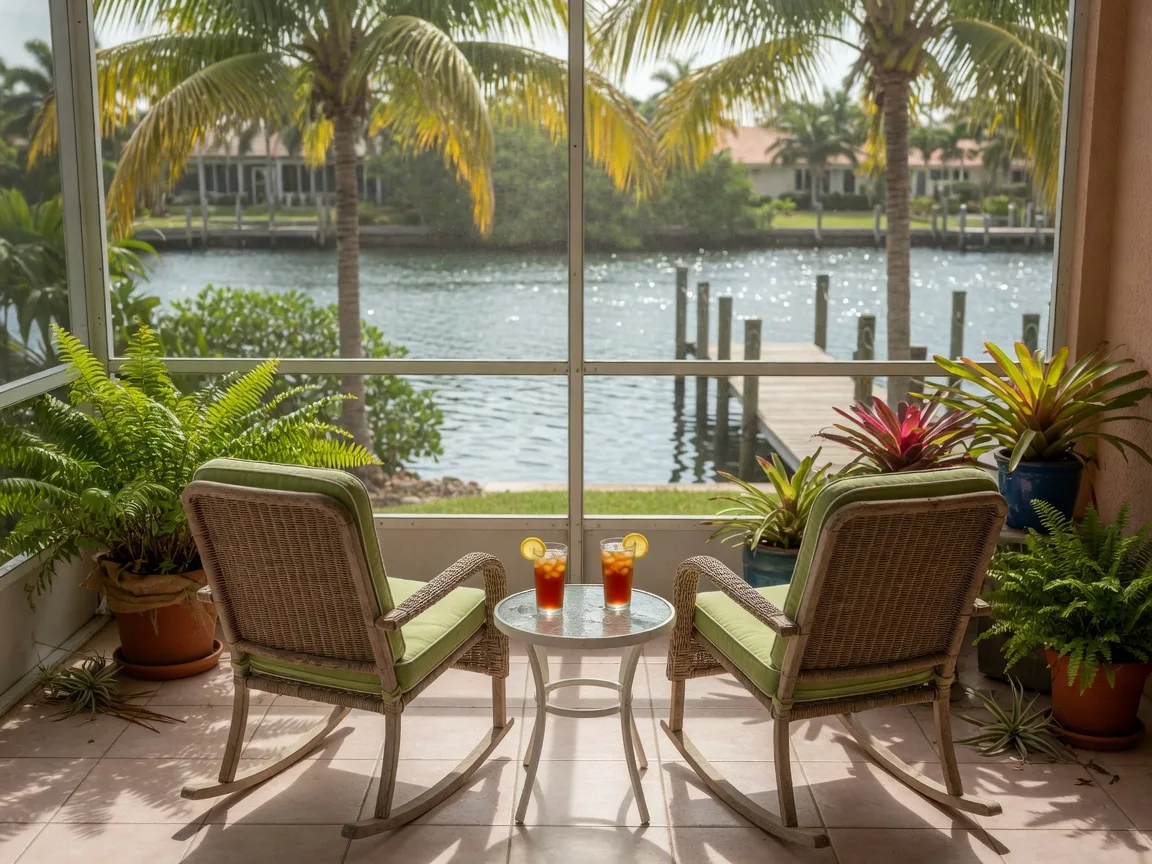
When I show homes to seasonal buyers, the conversation is different from a first-time buyer's. You are not living here year-round, so the home has to take care of itself while you are away, and the checklist reflects that.
The lock-and-leave checklist
- 01Low-maintenance exterior. Condos and townhomes where the HOA handles roofs, exteriors, and landscaping are practically made for snowbirds.
- 02Built 2002 or later. Homes built to the Florida Building Code or newer tend to handle wind and storms better, and they often cost less to insure.
- 03Flood zone awareness. Know the flood zone before you fall in love, and factor the flood policy into your budget from day one.
- 04Amenities that matter to you. Pool, clubhouse, golf nearby, a place to park the boat. A gated community adds security while you are away.
Boaters, pay special attention to the water. In Cape Coral, gulf-access canals cut travel time to open water dramatically, and a boat lift or dock already in place saves you a major project later. Waterfront homes cost more and carry higher insurance, but for many snowbirds the whole point of Florida is keeping the boat in the back yard.
One other practical tip: think about the airport. Southwest Florida International Airport (RSW) connects the region to the whole country, and being within a reasonable drive of it changes your travel days completely. A 20-minute sprint to a flight beats a three-hour ordeal at the end of every season.
My favorite advice: rent in the neighborhood you think you love before you buy there. One season tells you everything about traffic, noise, amenities, and whether the neighbors match your vibe. Buying after a test winter is rarely a regret.
Taxes, Insurance and the Fine Print
Two topics make or break the snowbird plan, and both deserve more than a passing thought: what Florida charges you, and what Florida asks your insurance to cover.
The tax picture
Florida has no state income tax, which is a genuine gift for retirees living on pensions, withdrawals, and distributions. That alone pulls many seasonal residents south. Two nuances matter if you deepen your Florida footprint.
First, the homestead exemption, which can reduce property taxes on a primary residence, only applies to the home you actually live in as your main home. Most snowbirds keep their legal residence up north and don't qualify, and you should never claim Florida residency you don't really have; the rules require real presence and genuine intent. Second, if you are considering declaring Florida as your primary residence, a conversation with a qualified advisor is worth more than any article. Owning property in a second state has estate and tax angles that deserve professional eyes.
Homeowners insurance
Wind coverage is part of every Florida homeowners policy, and seasonal occupancy can affect your quote. An experienced local agent shops your options honestly.
Flood insurance
If your lender requires it, or your flood zone demands it, buy early. National Flood Insurance Program policies carry a 30-day waiting period before coverage starts, so planning ahead is not optional.
HOA and condo dues
You pay these all twelve months, so build them into the real cost of ownership. In exchange you often get maintenance, amenities, and someone watching the place.
Start early, not in a rush
Insurance quotes, HOA documents, and flood determinations all take time. A buyer who starts in October has options; a buyer who waits until December pays for the hurry.
Making the Season Yours: A Snowbird Calendar
One of the best parts of snowbird life is that the season has its own calendar, and Southwest Florida fills it with reasons to get out the door.
October – Settle In
Arrive, open the place up, and find your rhythm before the crowds. Golf courses are at their least crowded, farmers markets are running, and the water is still warm. Hurricane season officially winds down on November 30, so this is also the calm window to finish any home projects.
November – December – Peak Begins
The region fills up and the calendar fills faster. Community boat parades light up the waterways, Naples' winter season swings into full gear, and the River District in Fort Myers is made for holiday evenings. If you book restaurants and gatherings, do it early.
January – March – Perfect Weather
These are the months people dream about: blue skies in the 70s, fishing tournaments, shelling on Sanibel and Captiva, sunset pier walks in Naples. This is also when the seasonal rental and resale markets are at their most active, which is exactly why it pays to plan ahead.
April – May – Ease Out
The crowds thin, prices ease, and the weather stays lovely well into May. It is the perfect time to schedule summer maintenance, enjoy a quiet beach day, and head north knowing your place will be waiting next October.
A few places snowbirds love: the Cape Coral Yacht Club Community Park for a swim and a sunset, the Naples Pier for a walk over the water, and downtown Fort Myers for a meal and live music. Each town has its own character, and the best way to find yours is to spend a season exploring.
A Personal Note from Diana
You Deserve to Love Where You Live, Even Part of the Year
I have watched the snowbird rhythm change people's lives, and I have also watched the wrong decision drain them. Some clients rented for years before realizing they were paying a fortune for someone else's place. Others bought too fast, in the wrong spot, and never quite relaxed.
Neither has to be you. My job is to listen to how you actually want to spend your season, show you the honest numbers, and make sure you feel informed, protected, and cared for at every step. Whether you need a winter rental lined up, a home to buy, or just an honest conversation about what makes sense, I have got your back.
Let's make it fun, and let's get you home before the snow flies.
Ready to plan your season?
Tell me where you're coming from, how long you stay, and what you love to do. I'll help you figure out whether to rent, buy, or both, with zero pressure.
Talk to you soon,
Diana Austin
Ready to find your place in the Southwest Florida sun?
Whether you're renting your first season, buying your second home, or just starting to explore, I'll give you honest, personalized guidance and a plan that fits your winter. Call, email, or schedule a time to talk.
Diana Austin • FIG Team • Fig Team EXP Realty LLC
Accredited Buyer's Representative • Waterfront Specialist • Military Relocation Specialist • Bilingual English & Spanish
FL License #3571079 • Equal Housing Opportunity